
The state layer
Arizona's Department of Environmental Quality requires public water systems to protect against backflow under A.A.C. R18-4-215, which requires installation and at least annual testing of USC-certified assemblies by certified testers and says nothing about freeze protection. Arizona has no statewide plumbing code; cities adopt their own, predominantly the International Plumbing Code. Tucson adopts the 2024 IPC (effective January 1, 2026), and Phoenix's 2024 Building Construction Code (effective August 1, 2025) allows either the 2024 IPC or the 2024 UPC. Under the IPC, outdoor enclosures comply with ASSE 1060 and assemblies in areas subject to freezing are removable by unions or protected from freezing by heat, insulation or both; whether a Valley location is "subject to freezing" is the inspector's call.
What the cities add
Phoenix, Mesa, Scottsdale, Tucson, Glendale and the Valley water providers publish installation standards focused on above-ground placement, clearance, and drainage. Freeze protection is addressed as advice more than mandate in the low desert: Phoenix Water Services' standing guidance tells customers to insulate the backflow preventer at the house with rubber or foam insulation. Glendale Water Services publishes a "Stop Backflow Preventer Theft" brochure after strings of brass thefts, recommending painting or coating the brass, a locked cage, warning signs, plastic assemblies, and concealment or a heavy-duty enclosure box.
Flagstaff, Prescott, Show Low, and the high country see real winters and treat outdoor assemblies the way northern states do: insulation on flowing domestic service, heat on fire lines and idle assemblies.
The Arizona pattern
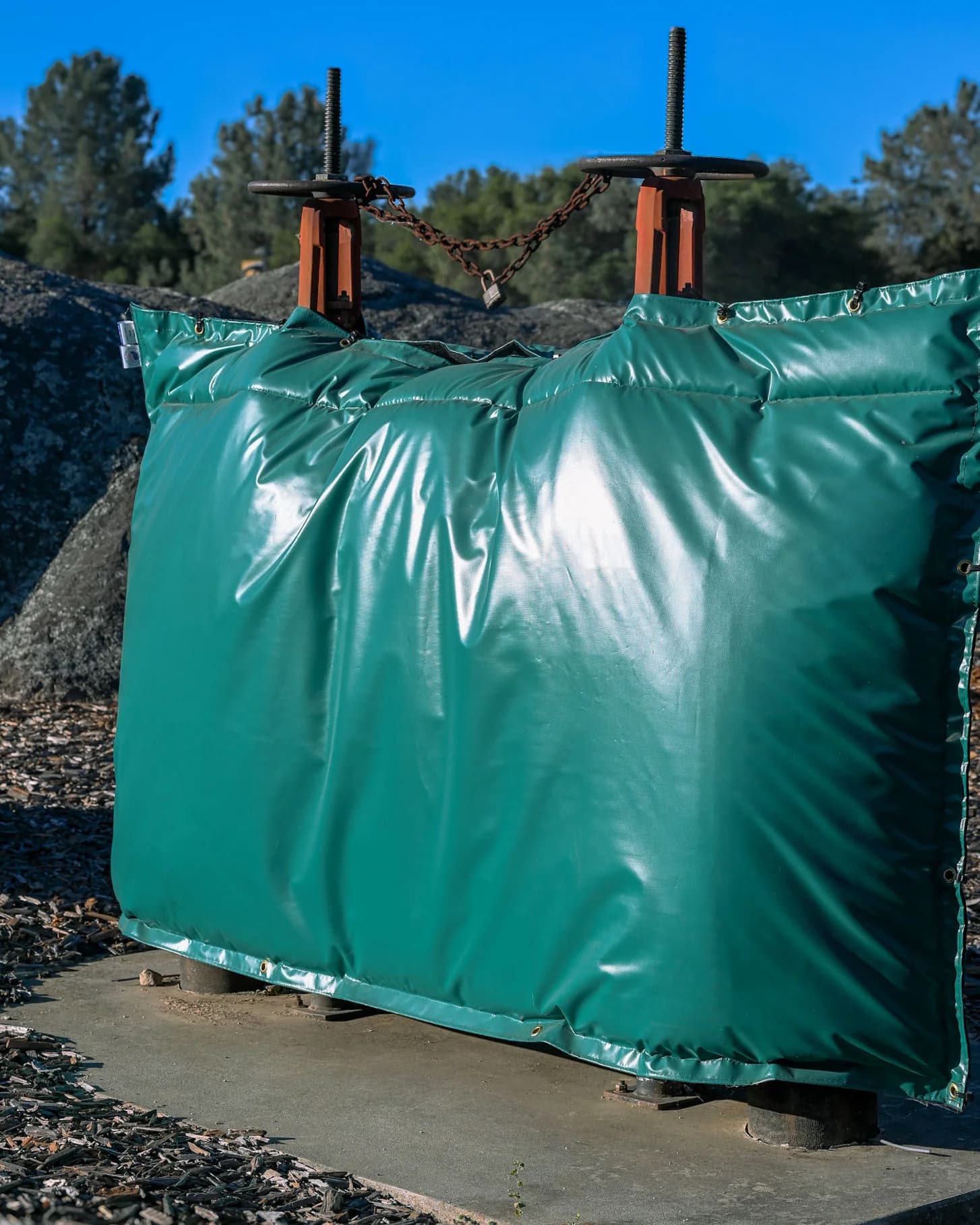
The low desert loses assemblies to freezes that come every few years: January 14–15, 2007 (Sky Harbor's coldest consecutive mornings since 1978), February 3–4, 2011 (a hard freeze that, in the National Weather Service's words, "caused pipes to burst"), and January 12–16, 2013 (four straight mornings below freezing and "many pipes" burst across the Valley). The events run two to five nights with NWS freeze warnings in force. An insulated cover on a flowing service is exactly the right tool for a few hard nights, and it is cheap enough to leave on all winter. The rest of the year the same cover, padlocked through the grommets, hides the brass from the street.
What this means for a cover
- Valley and Tucson domestic RPs: an insulated cover is the practical freeze answer and a theft deterrent. Confirm with the provider for containment assemblies. See RP covers.
- High country: insulation for flowing service, heat for fire lines and idle assemblies, drain the irrigation.
- Cages: a security cage is not freeze protection. Many Valley assemblies are caged; a cover fits inside most cages or over the smaller ones. Photos first.
Market notes
Phoenix is one of the largest backflow markets in the country by assembly count, with a huge backflow tester community and year-round irrigation. Irrigation supply and plumbing houses order through the distributor program. Nevada's rules are on the Nevada page.