
The state layer
Virginia's Uniform Statewide Building Code incorporates the 2021 International Plumbing Code with state amendments, so the two provisions apply: outdoor enclosures for backflow devices comply with ASSE 1060 (608.15.1), and assemblies in freezing areas are removable by unions or protected from freezing by heat, insulation or both (608.15.2). The Department of Health's Waterworks Regulations (12VAC5-590-600) require every waterworks owner to establish a cross-connection control program; installation details come from the plumbing code and the locality's program.
What the localities add
Lynchburg is the reference case. The city's program requires assemblies in a heated enclosure "because of freezing temperatures and protection against vandalism," requires RPZs above ground because of the relief port, and its standard detail (26.19.B) calls out an "above ground enclosure ASSE 1060." A soft cover on a utility-regulated assembly in Lynchburg is not an option.
Fairfax County, in a joint program with Fairfax Water, requires assemblies to remain fully visible "except when installed in approved heated enclosures," to be protected from freezing, and to keep 18 inches of clearance on the test-cock side. Richmond's cross-connection manual defines an enclosure as "the above ground structure that encloses a backflow prevention device to prevent freezing" and requires it to conform to ASSE 1060. Tidewater localities see milder winters; confirm each locality's accepted method before quoting insulation.
What this means for a cover
- Lynchburg and any locality with a heated-enclosure standard: the cover is for private-side assemblies only.
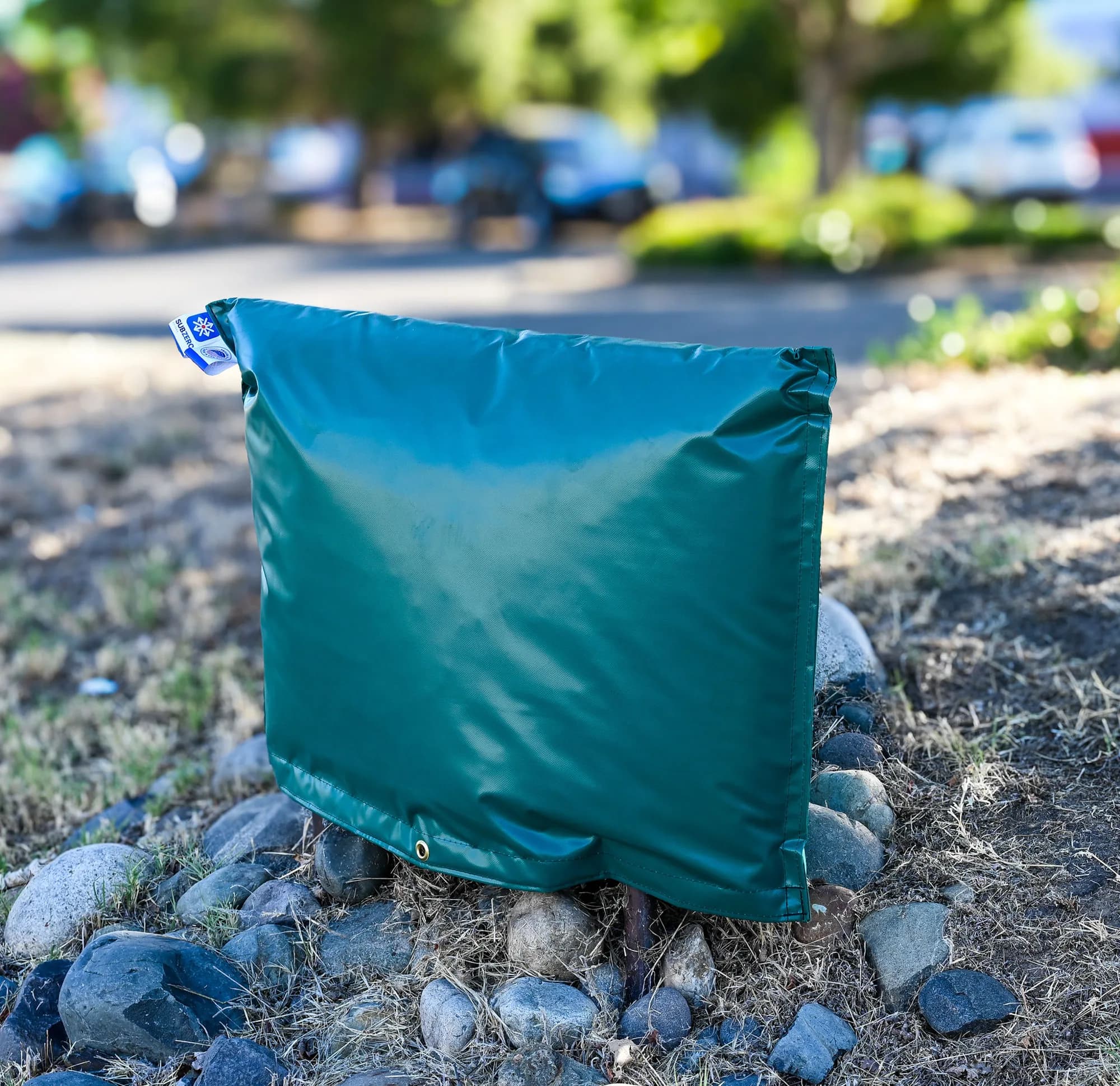
- Localities on the IPC language: insulation is a code-named method; confirm with the locality and document it. A fitted cover on a flowing domestic service carries a Piedmont or Tidewater winter.
- Fire lines: expect heat where the locality specifies an enclosure. Virginia's commercial fire-line assemblies are mostly DCDAs and RPDAs above ground; see the fire protection page.
- Irrigation: drained by November in the Valley and Piedmont; charged later in Tidewater. Cover for the shoulder seasons.
Market notes
Northern Virginia and Richmond carry the commercial volume; Hampton Roads has a large irrigation base. Plumbing houses and fire protection distributors order through the distributor program. North Carolina's rules, which are stricter still, are on the North Carolina page.